
The science behind
reaction intelligence
Explore how ReaQt connects molecular structures, reaction mechanisms and machine learning to guide the next laboratory experiment.
13-page technology overview · Updated 30 September 2026. If the embedded viewer is unavailable on your device, use Open full-screen PDF.
Physics and AI
Learned anchors constrain the mechanism search. Quantum calculations resolve intermediates and transition states.
Mechanistic evidence
Representative examples show how energies explain regioselectivity and distinguish viable pathways.
From pilot to license
Start with a reaction bottleneck and validate the predictions with your team.
One real reaction.
A testable mechanism.
We begin with the chemistry your team needs to resolve. A paid pilot establishes the workflow on your reaction before software licensing.
Scope the bottleneck
Review your reaction, available evidence and experimental constraints. Agree on measurable success.
Build the mechanism
Resolve viable pathways and competing steps. Rank the experiments worth running.
Validate together
Compare predictions with laboratory results and refine the workflow.
License the workflow
Deploy the proven approach as software for repeat use by your team.
Your deliverable
A mechanism, predictions and a laboratory validation plan.
Route feasibility, controlling barriers and selectivity drivers give chemists a quantitative basis for choosing the next experiment.
Chemical understanding
at the core
The people behind Ai.Qimia combine computational chemistry, commercial experience and industrial research leadership.
Co-founders
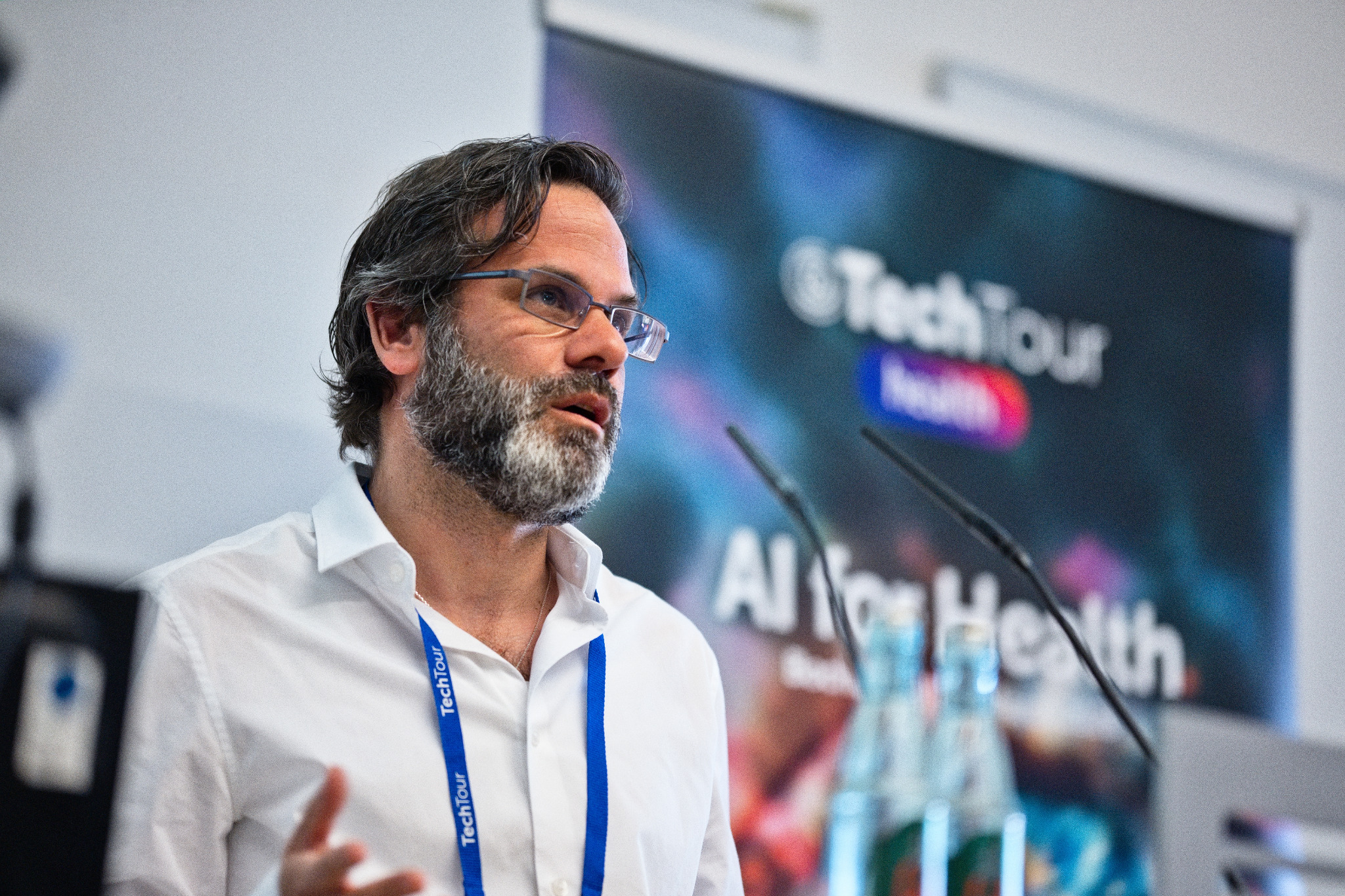
Dr. Peter Jarowski
Dr. Jarowski is an authority in organic theory and computational thermochemistry. With decades in experimental synthesis, he’s used quantum methods to speed research and clarify mechanisms. At Ai.Qimia he fuses deep theoretical insight with chemists’ practical needs to deliver robust, user-friendly predictions.
LinkedIn profile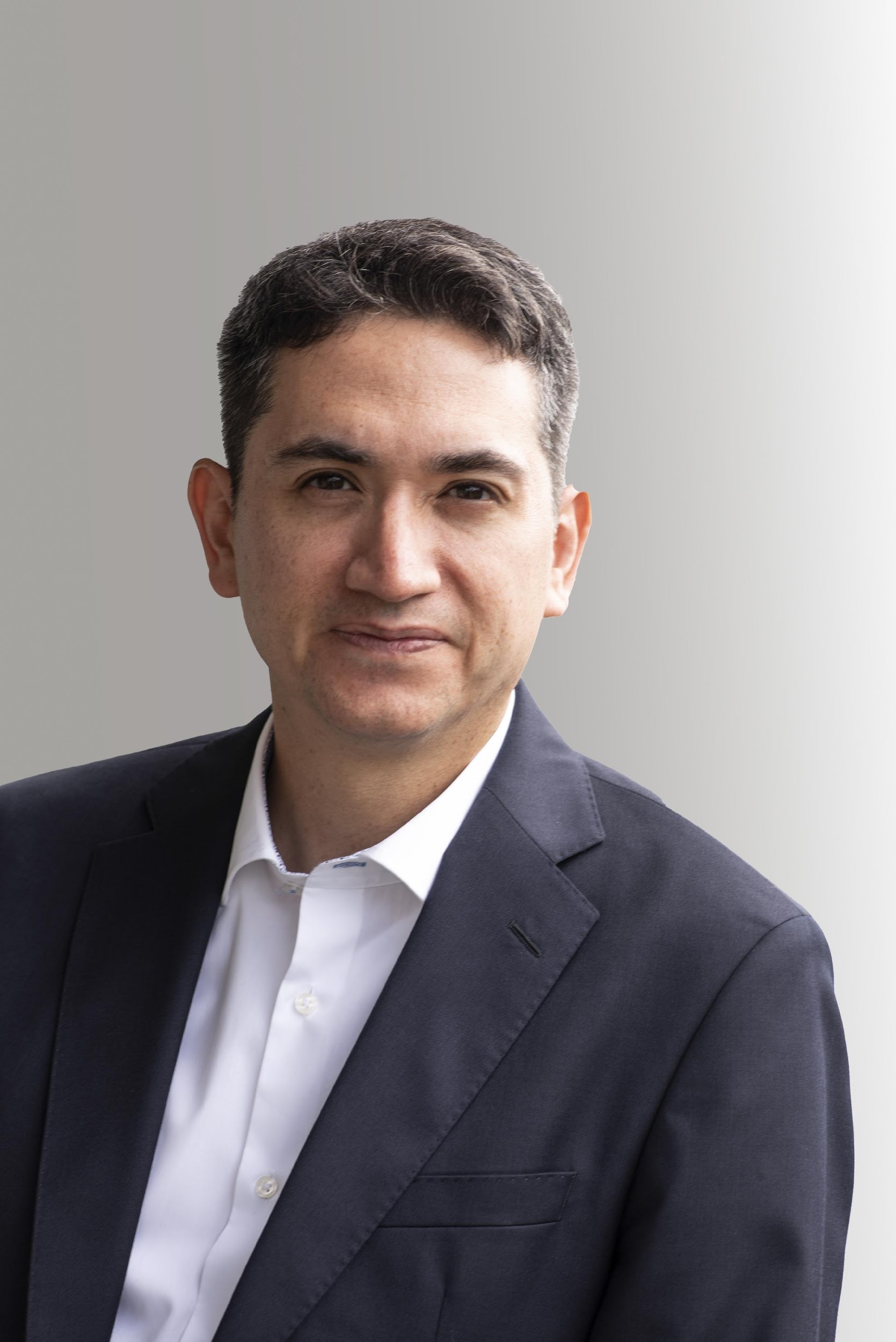
Jules Eggli
Jules Eggli joined Ai.Qimia in 2023 to shape our market positioning and operations. He holds an Economics degree from San José State University and has led international sales & distribution at major media firms in NYC and business development at Largo.ai, an EPFL spin-off for AI storytelling tools.
LinkedIn profileTeam

Martin Ockajak
Machine learning, full-stack software and data architecture.

Dr. Shantanu Roy
Biophysics, computational chemistry and machine learning.

Willi Studer
Willi Studer, founder of Proviatus Ltd, specializes in Change Management, Executive Coaching and HR Development. He holds a Master of Law (University of Zurich) and a Diploma in Organizational Psychology (INSEAD), and brings project and people-management expertise across Swiss and French markets. Fluent in German, French, English and Swiss German.
LinkedIn profileBusiness and pharma advisors

Dr. Victor Canivell
Victor Canivell is Chairman and co-founder of Qilimanjaro Quantum Tech, a leading Spanish quantum computing startup. His career spans leadership roles in ICT multinationals and European startups in cybersecurity and bioinformatics. He holds a PhD in Quantum Physics and an MBA from ESADE, and was named Entrepreneur of the Year 2024 by the Catalan Association of Telecom Engineers.
LinkedIn profile
Dr. Thomas Fessard
Thomas studied chemistry in France (ENSC, Montpellier) and the UK (UMIST, Manchester), earning a PhD from the University of Nottingham. After research roles in Nottingham and at ETH Zürich, he joined Lipideon Biotechnology AG in 2007, where he led drug discovery efforts as Head of Chemistry. In 2011, he co-founded SpiroChem AG, a Swiss fine chemicals company, and currently serves as its CEO. Thomas has extensive experience in R&D project management, medicinal chemistry, innovative building blocks, and process development.
LinkedIn profile
Dr. Gilbert Lassalle
Gilbert Lassalle led Evotec’s MedChem EVOlution strategy and managed 40-scientist teams using predictive in silico tools. Previously Section Leader at Sanofi R&D and Lab Head at Synthelabo, he holds 51 patent applications and 17 publications, contributing to multiple candidates in preclinical and clinical stages.
LinkedIn profile
Dr. Warren Wade
Dr. Wade applies 25+ years in cheminformatics and medicinal chemistry to challenging drug-discovery projects. He invented the Leap-to-Lead platform at BioBlocks, advanced ORILISSA® (elagolix) to FDA approval at Neurocrine, and developed combinatorial and solid-phase synthesis informatics at Abbott. He holds a Ph.D. from Caltech, a BA from Cornell, over 25 publications and 20+ US patents.
LinkedIn profileScientific advisors

Prof. Alexandros Kalousis
Applied machine learning.

Dr. Jiabo Li
ADP, Urbint, Sky IT Group and Nielsen.
Prof. Douglas Teodoro
Model development and applied machine learning.
Technology advisory

Dr. Leyla Loued-Khenissi
Data science and technology analysis.
Ai.Qimia in the field
Funding milestones, community connections and conversations shaping the future of process chemistry.
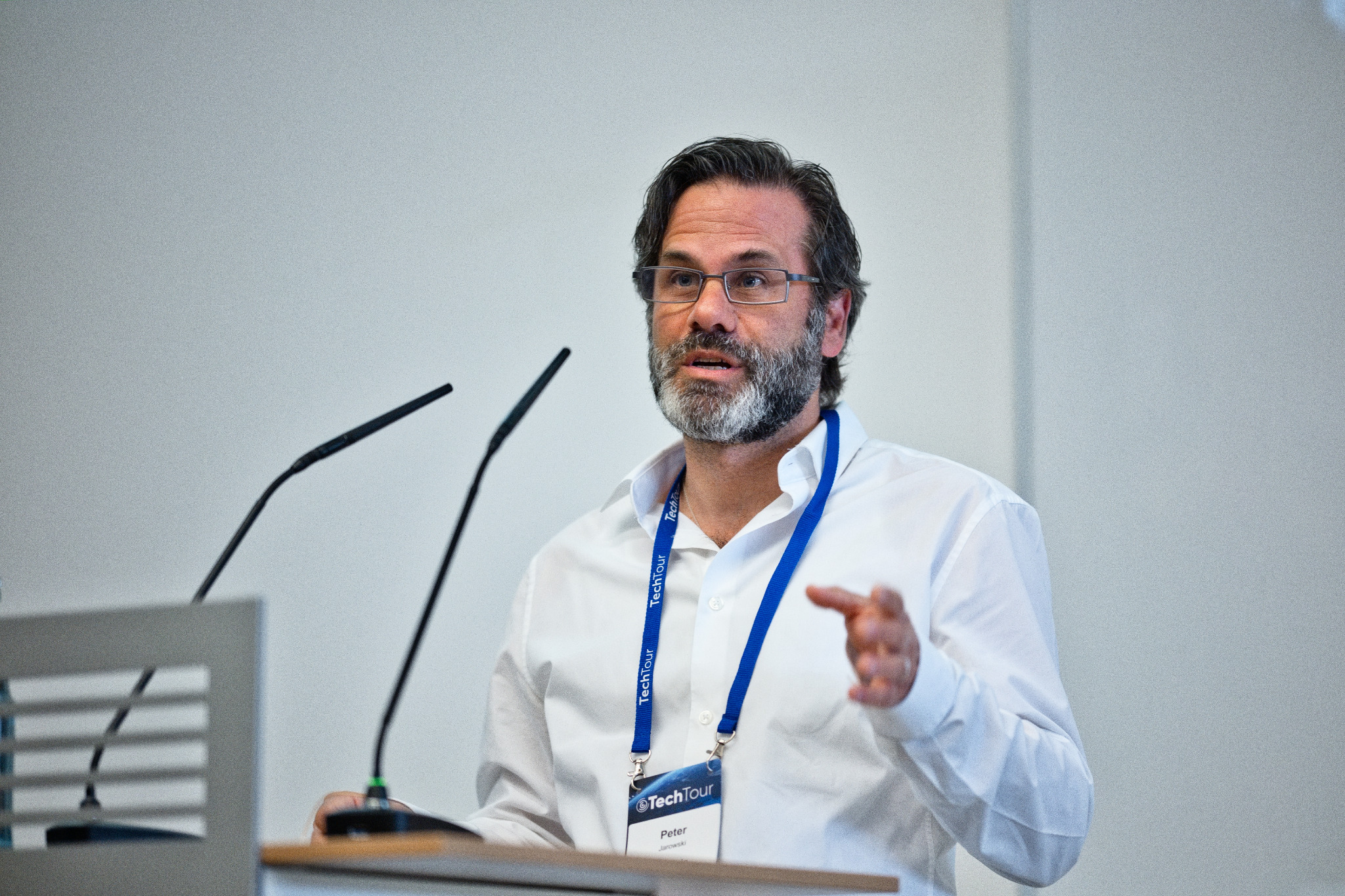
Ai.Qimia at Tech Tour
Peter Jarowski represented Ai.Qimia at the Tech Tour event in Lausanne at Tech Tour AI & Trust Systems on 23–24 September 2026.
The event provided an opportunity to introduce Ai.Qimia’s work in physics-based simulation and machine learning for process chemistry.
View the official event programme ↗
Our client technology overview explains how ReaQt connects reaction pathways and mechanisms with decisions about the next laboratory experiment.
Fall MeetingBERN · 2026
Connecting with Swiss chemistry at the SCS Fall Meeting
Peter Jarowski attended the Swiss Chemical Society’s Fall Meeting at the University of Bern. The meeting brought together the Swiss chemistry community to share research and exchange ideas across the discipline.
Explore the meeting ↗
Jules Eggli presents Ai.Qimia at the Beijing “Two Zones” conference
Ai.Qimia COO Jules Eggli was featured in the Swiss company presentation session at the Beijing “Two Zones” Investment Promotion Conference. Hosted at the Mandarin Oriental Savoy in Zürich, the event connected Swiss companies with Beijing representatives around investment and cooperation in AI, biopharmaceuticals and other growth sectors.
View the programme ↗
Ai.Qimia receives CHF 20,000 through Biopôle’s Investment Programme
Ai.Qimia has secured CHF 20,000 in support through the Biopôle Investment Programme. Biopôle named Ai.Qimia among its 2025 programme participants. Alongside financial support, the programme provides structured mentoring, investor preparation and access to experienced advisers to help early-stage companies build for long-term growth.
Read Biopôle’s announcement ↗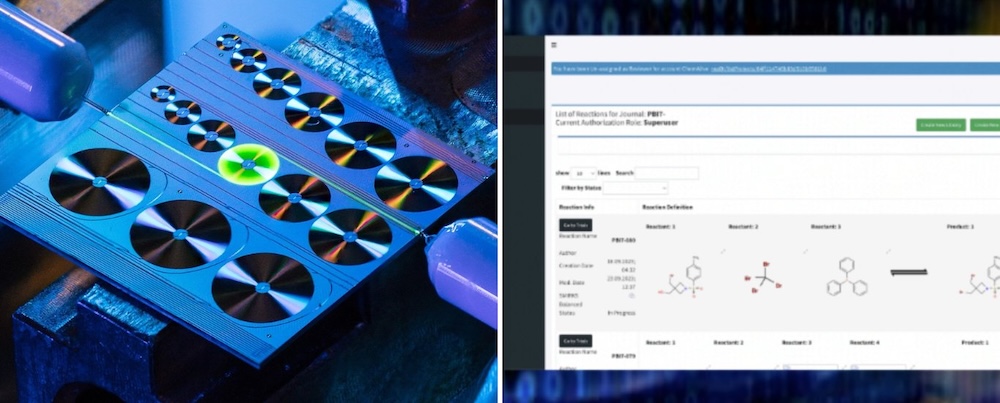
Ai.Qimia awarded a CHF 100,000 FIT Tech Seed loan
The Foundation for Innovation and Technology awarded Ai.Qimia a CHF 100,000 Tech Seed loan. The support helps us complete software development, validate the platform with early users and prepare for market entry. Startupticker covered the announcement alongside fellow recipient EDWATEC.
Read the Startupticker article ↗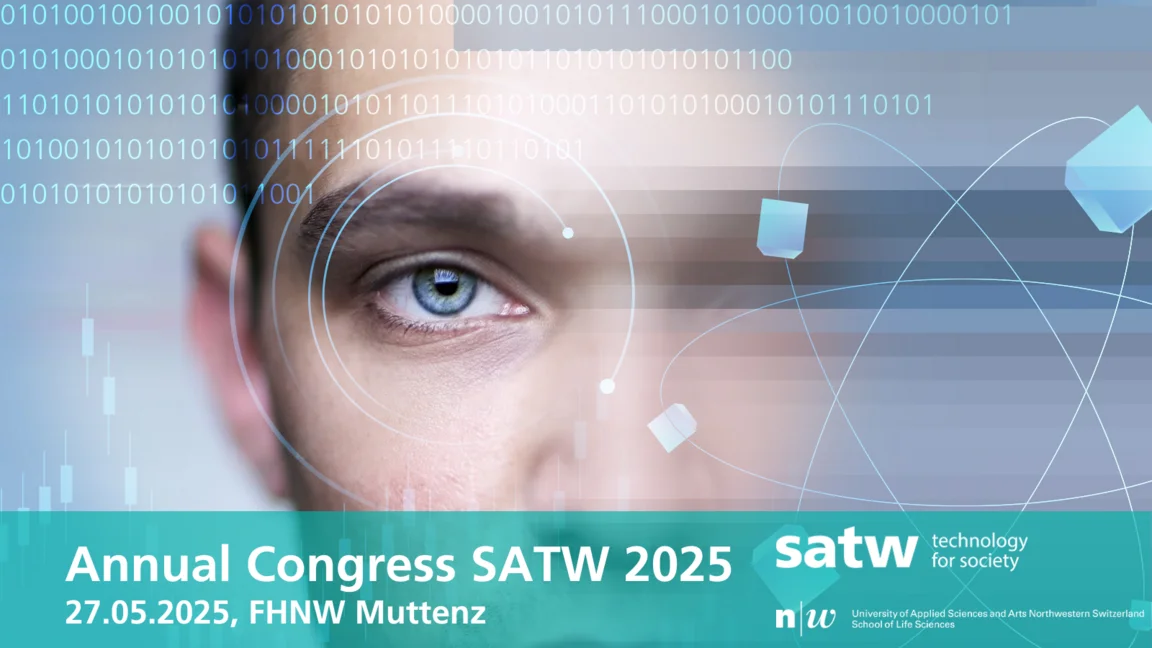
AI and quantum technologies at the SATW congress
Peter Jarowski attended the SATW Annual Congress at FHNW in Muttenz, where ChemAlive was listed among the Tech Fair exhibitors. The congress explored the role of artificial intelligence and quantum technologies in pharmaceutical research and development—topics closely connected to Ai.Qimia’s scientific foundations.
Explore the congress ↗Ai.Qimia unveils its ReaQt module
Our earlier announcement introduced the reaction simulation platform.
Read the original announcementWhere does your
reaction get stuck?
Tell us which transformation is causing difficulty, what you have already tested and what decision your team needs to make.
Scientific discussion
Dr. Peter Jarowski
Pilots and licensing
Jules Eggli
Lausanne
Avenue de la Gare
1003 Lausanne
Switzerland
Reaction intelligence
for process chemistry
Reveal why reactions fail.
Understand what to test next.
Physics-based simulation and machine learning connect your synthesis question to a quantitative mechanism and a laboratory validation plan.
What does your chemistry need to know?
Which pathway is viable?
Assess route feasibility, realistic intermediates and competing pathways.
What controls the reaction?
Resolve transition states, controlling barriers and the origins of selectivity.
What should you test next?
Identify key variables and prioritize experiments for laboratory validation.
A connected prediction loop
Evidence informs the simulator. AI accelerates calculations and directs the search. New experiments refine the predictions.
Inside the technologyA mechanism you can challenge
Structures, energies and elementary steps connect a 2D hypothesis to thermodynamic and kinetic predictions.
A result from one reaction example, not a general performance guarantee.
Paid pilots establish fit
We solve one real reaction problem with your team, compare predictions with experimental results and establish a workflow for repeat use.
Molecular ensembles with ConstruQt
ConstruQt provides physics-based molecular ensembles and descriptors for computational chemistry and machine learning workflows.
Open the platform